Refrigerator Not Cooling? Top Reasons and Quick Solutions for Homeowners

When your refrigerator stops cooling properly, it can quickly turn into a stressful situation. Food spoils, drinks warm up, and the inconvenience disrupts your daily routine. Understanding why your refrigerator is not cooling helps you act fast and avoid costly repairs or food waste. This guide breaks down the most common causes and offers practical solutions you can try at home.

Common Reasons Your Refrigerator Is Not Cooling
1. Dirty Condenser Coils
Condenser coils release heat from the refrigerator. When these coils get covered in dust or pet hair, they cannot dissipate heat effectively. This causes the fridge to work harder and cool less efficiently.
How to fix it:
Unplug the refrigerator.
Locate the coils (usually at the back or underneath).
Use a coil brush or vacuum cleaner to remove dust and debris.
Clean coils every 6 months to maintain efficiency.
2. Faulty Evaporator Fan
The evaporator fan circulates cold air inside the fridge. If this fan stops working, cold air won’t reach the compartments, causing uneven or no cooling.
Signs of a bad fan:
No sound from the fan when the door is closed.
Warm air inside the fridge but cold air in the freezer.
How to fix it:
Test the fan motor with a multimeter if you have one.
Replace the fan motor if it’s defective.
If unsure, call a professional technician.
3. Temperature Control Issues
The thermostat or temperature control board regulates the cooling cycle. If these parts fail, the fridge may not cool at all or may cool inconsistently.
How to fix it:
Check if the temperature settings are correct (usually between 37°F and 40°F for the fridge).
Reset the thermostat by unplugging the fridge for a few minutes.
Replace faulty thermostats or control boards with professional help.
4. Blocked Air Vents
Cold air flows through vents inside the refrigerator. If these vents are blocked by food items or ice buildup, cold air cannot circulate properly.
How to fix it:
Rearrange items to keep vents clear.
Defrost the fridge if ice blocks the vents.
Avoid overpacking the fridge.
5. Door Seal Problems
A damaged or dirty door gasket lets warm air into the fridge, reducing cooling efficiency and increasing energy use.
How to fix it:
Inspect the door seal for cracks or gaps.
Clean the gasket with warm soapy water.
Replace the gasket if it’s torn or no longer seals tightly.
Quick Checks You Can Do at Home
Power supply: Make sure the fridge is plugged in and the outlet works.
Proper ventilation: Ensure the fridge has enough space around it for air circulation.
Level placement: A fridge that is not level can cause cooling issues. Use a level tool to check.
Defrost system: If your fridge has frost buildup, it may need manual defrosting or a defrost system repair.
When to Call a Professional
If you have tried these fixes and your refrigerator still does not cool, it may have more complex problems such as:
Compressor failure
Refrigerant leaks
Electrical issues
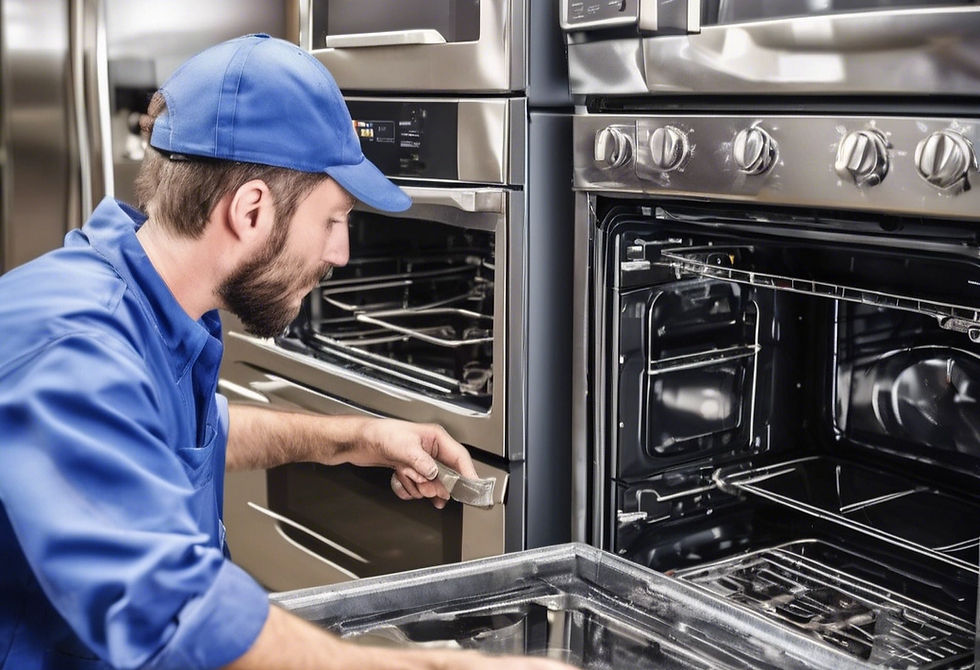
These require specialized tools and expertise. Contact a licensed appliance repair technician to diagnose and fix these problems safely.
Tips to Prevent Refrigerator Cooling Problems
Clean condenser coils regularly.
Avoid overloading the fridge.
Keep door seals clean and intact.
Check temperature settings monthly.
Defrost manually if frost builds up.
Schedule annual maintenance if possible.
Keeping your refrigerator in good condition saves energy and extends its lifespan. Quick attention to cooling problems prevents food spoilage and costly repairs.


Comments