Dryer Not Heating in Your Home? Troubleshooting Tips and Common Fixes
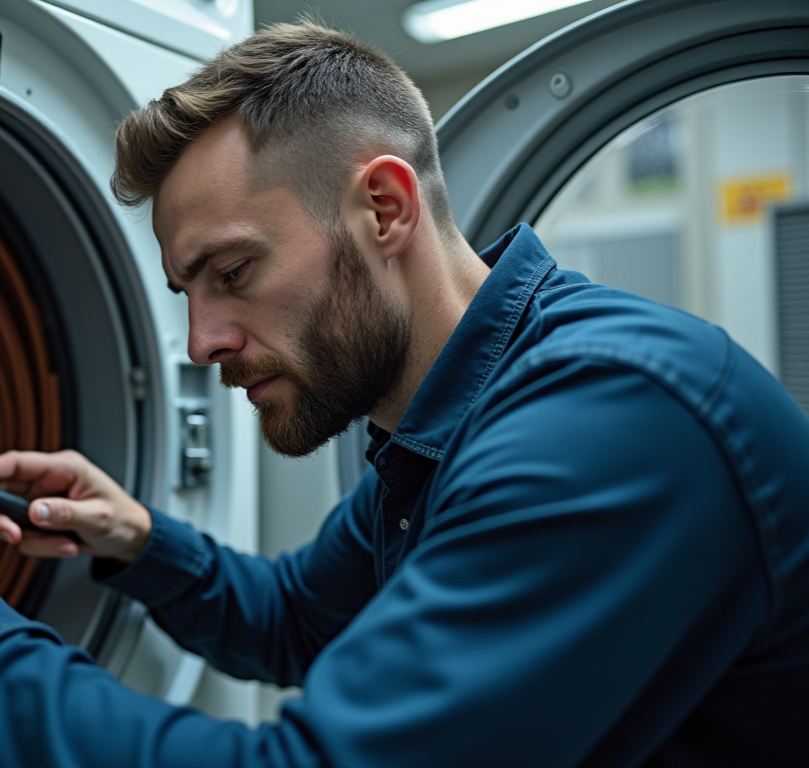
When your dryer stops heating, laundry piles up fast, and frustration grows. A dryer that tumbles but doesn’t warm clothes wastes time and energy. Many homeowners wonder if the heating element is the culprit. While it often is, other issues can cause the same problem. This guide helps you identify common causes, understand repair options, and get your dryer heating again.

How a Dryer Heating Element Works
The heating element is the part that generates heat to dry your clothes. It works like a coil that heats up when electricity passes through it. The dryer’s thermostat and timer control when the element turns on and off to keep the temperature steady. If the heating element breaks or burns out, the dryer tumbles without heat.
Common Reasons Your Dryer Is Not Heating
1. Faulty Heating Element
The heating element can wear out over time or burn out due to electrical issues. Signs include visible breaks or burn marks on the coil. Testing it with a multimeter can confirm if it has continuity or needs replacement.
2. Tripped Thermal Fuse
Dryers have a thermal fuse that shuts off the heating element if the dryer overheats. A blown fuse cuts power to the element, so the dryer runs but stays cold. This fuse cannot be reset and must be replaced.
3. Broken Thermostat
The thermostat regulates the temperature inside the dryer. If it fails, the heating element may not turn on. Testing the thermostat with a multimeter helps determine if it’s working correctly.
4. Power Supply Issues
Electric dryers need 240 volts to heat properly. If one side of the power supply is missing, the dryer will run but not heat. Check your circuit breakers or fuses to ensure both sides are active.
5. Clogged Vent or Lint Filter
Restricted airflow causes the dryer to overheat and trip the thermal fuse. Clean the lint filter and vent hose regularly to maintain proper airflow and prevent heating problems.
How to Test the Heating Element
You can test the heating element yourself if you have basic tools and follow safety steps:
Unplug the dryer from the power source.
Access the heating element by removing the back panel or front panel, depending on your model.
Use a multimeter set to the ohms setting.
Touch the probes to the terminals of the heating element.
A reading close to zero means the element is good; no reading or infinite resistance means it’s broken.
If you’re uncomfortable with electrical testing, call a professional technician.
Repair Costs and When to Call a Professional
Replacing a heating element typically costs between $220 and $350, including parts and labor. Other repairs like replacing a thermal fuse or thermostat usually cost less. If your dryer is older or has multiple issues, consider whether repair or replacement makes more sense.
Professional repair ensures safety and proper diagnosis. Electric dryers involve high voltage, so avoid risky DIY fixes if you’re unsure.

Tips to Prevent Dryer Heating Problems
Clean the lint filter after every load.
Inspect and clean the vent hose at least once a year.
Avoid overloading the dryer.
Schedule regular maintenance checks.
Use the correct power outlet and avoid extension cords.
What to Do If Your Dryer Still Won’t Heat
If you have checked the heating element, thermal fuse, thermostat, and power supply but the dryer still won’t heat, the problem might be more complex. Other components like the timer, high-limit thermostat, or wiring could be faulty. At this point, a professional diagnosis is the best option.



Comments